
*When you buy through links on our site, we may earn an affiliate commission.*
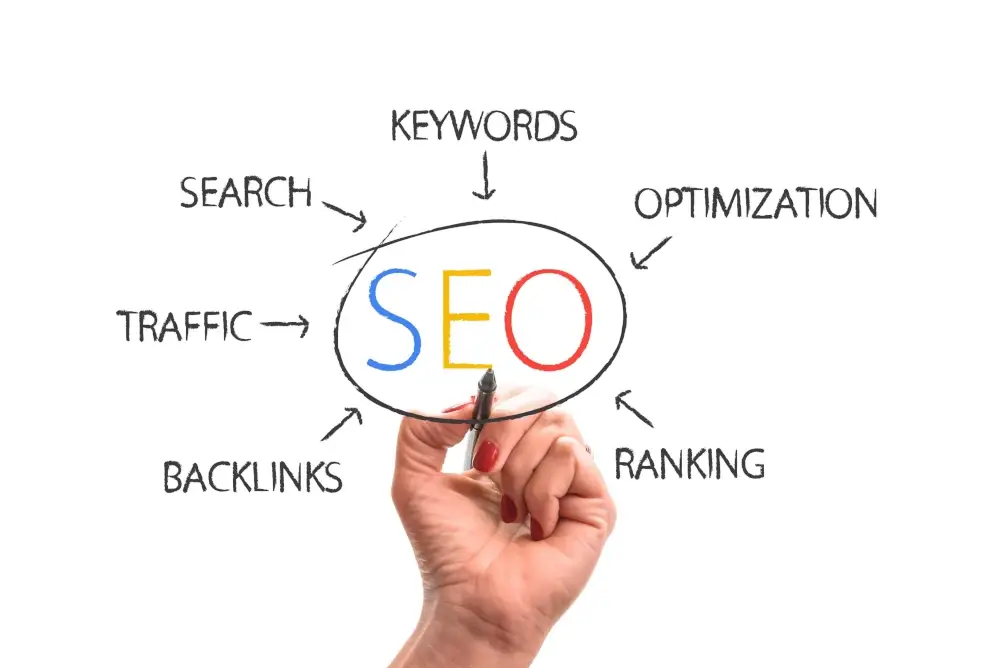
If you’ve ever wondered what is SEO, you’re not alone. Search engine optimization (SEO) is one of the most talked-about aspects of digital marketing, yet it’s also one of the most misunderstood. Many business owners know they “need SEO,” but aren’t exactly sure what it does or why it’s so important.
The good news is that SEO doesn’t have to be complicated.
Whether you own a local service business, an online store, or a growing company, understanding what is SEO can help you make smarter marketing decisions and attract more potential customers without relying entirely on paid advertising.
SEO, or Search Engine Optimization, is the process of improving your website so it appears higher in search engine results when people search for products, services, or information related to your business.
For example, imagine you own a plumbing company in Orlando. When someone searches for “drain cleaning in Orlando” or “emergency plumber near me,” SEO helps increase the chances that your website appears near the top of Google’s search results.
The higher your website ranks, the more people are likely to visit it. More visitors often lead to more phone calls, contact form submissions, and ultimately more customers.
Simply put, what is SEO? It’s about making your website easier for both search engines and people to understand.
Think about your own online habits. When you need a product or service, you probably search Google rather than flipping through a phone book or driving around town.
Your customers do exactly the same thing.
If your website doesn’t appear when they’re searching, there’s a good chance they’ll choose one of your competitors instead.
SEO helps your business by:
Unlike paid ads, organic search traffic doesn’t stop the moment your advertising budget runs out. A well-optimized website can continue attracting visitors for months or even years.

Google’s goal is simple: provide users with the most helpful and relevant results possible.
When someone performs a search, Google’s algorithms evaluate millions of web pages and determine which ones best answer the user’s question.
While Google’s exact ranking formula remains confidential, several important factors influence rankings.
Your website should clearly answer the questions your audience is searching for.
Helpful, informative, and original content is far more valuable than simply stuffing pages with keywords.
Keywords are the words and phrases people type into search engines.
For this article, our primary keyword is what is SEO because that’s exactly what readers are searching for.
Using keywords naturally throughout your content helps search engines understand what your page is about.
People expect websites to load quickly.
Slow websites frustrate visitors and can negatively impact both user experience and search rankings.
Today, most searches happen on mobile devices.
If your website isn’t easy to use on smartphones and tablets, you’re likely missing valuable traffic.
Google wants to recommend websites that are easy to navigate, visually appealing, and helpful.
Clear navigation, readable content, and strong calls to action all contribute to a better user experience.
Understanding what is SEO also means understanding that it’s made up of several different areas working together.
On-page SEO focuses on the content and structure of your website.
This includes:
Technical SEO improves how search engines crawl and understand your website.
Examples include:
Visitors may never notice technical SEO, but search engines certainly do.
Off-page SEO focuses on building your website’s reputation across the internet.
This often includes:
Think of backlinks as votes of confidence. The more high-quality websites that reference yours, the more trustworthy your website appears to search engines.
One of the biggest misconceptions about SEO is that results happen overnight.
In reality, SEO is a long-term strategy.
Depending on your industry and competition, it may take several months before you notice significant improvements in rankings and traffic.
However, unlike many forms of advertising, SEO continues building momentum over time.
Each optimized page, helpful blog post, and quality backlink strengthens your website’s authority.
Even if you’re just getting started, there are several practical steps you can take immediately.
Small improvements made consistently often produce significant long-term results.
If you’ve been asking yourself what is SEO, the answer is actually quite simple: it’s the process of helping the right people find your business online.
SEO isn’t about tricking search engines or chasing shortcuts. It’s about creating a fast, helpful, trustworthy website that answers your customers’ questions better than the competition.
Whether you’re launching a brand-new website or improving an existing one, investing in SEO is one of the smartest long-term marketing decisions a small business can make.
At I Build Web Solutions, we help small and mid-sized businesses build websites that not only look professional but are also designed to perform in search engines. From technical SEO and local optimization to content strategy and ongoing support, our goal is to help your business get found by the people who matter most—your future customers.


*When you buy through links on our site, we may earn an affiliate commission.*
If you’ve ever wondered what is SEO, you’re not alone. Search engine optimization (SEO) is one of the most talked-about aspects of digital marketing, yet it’s also one of the most misunderstood. Many business owners know they “need SEO,” but aren’t exactly sure what it does or why it’s so important.
The good news is that SEO doesn’t have to be complicated.
Whether you own a local service business, an online store, or a growing company, understanding what is SEO can help you make smarter marketing decisions and attract more potential customers without relying entirely on paid advertising.
SEO, or Search Engine Optimization, is the process of improving your website so it appears higher in search engine results when people search for products, services, or information related to your business.
For example, imagine you own a plumbing company in Orlando. When someone searches for “drain cleaning in Orlando” or “emergency plumber near me,” SEO helps increase the chances that your website appears near the top of Google’s search results.
The higher your website ranks, the more people are likely to visit it. More visitors often lead to more phone calls, contact form submissions, and ultimately more customers.
Simply put, what is SEO? It’s about making your website easier for both search engines and people to understand.
Think about your own online habits. When you need a product or service, you probably search Google rather than flipping through a phone book or driving around town.
Your customers do exactly the same thing.
If your website doesn’t appear when they’re searching, there’s a good chance they’ll choose one of your competitors instead.
SEO helps your business by:
Unlike paid ads, organic search traffic doesn’t stop the moment your advertising budget runs out. A well-optimized website can continue attracting visitors for months or even years.
Google’s goal is simple: provide users with the most helpful and relevant results possible.
When someone performs a search, Google’s algorithms evaluate millions of web pages and determine which ones best answer the user’s question.
While Google’s exact ranking formula remains confidential, several important factors influence rankings.
Your website should clearly answer the questions your audience is searching for.
Helpful, informative, and original content is far more valuable than simply stuffing pages with keywords.
Keywords are the words and phrases people type into search engines.
For this article, our primary keyword is what is SEO because that’s exactly what readers are searching for.
Using keywords naturally throughout your content helps search engines understand what your page is about.
People expect websites to load quickly.
Slow websites frustrate visitors and can negatively impact both user experience and search rankings.
Today, most searches happen on mobile devices.
If your website isn’t easy to use on smartphones and tablets, you’re likely missing valuable traffic.
Google wants to recommend websites that are easy to navigate, visually appealing, and helpful.
Clear navigation, readable content, and strong calls to action all contribute to a better user experience.
Understanding what is SEO also means understanding that it’s made up of several different areas working together.
On-page SEO focuses on the content and structure of your website.
This includes:
Technical SEO improves how search engines crawl and understand your website.
Examples include:
Visitors may never notice technical SEO, but search engines certainly do.
Off-page SEO focuses on building your website’s reputation across the internet.
This often includes:
Think of backlinks as votes of confidence. The more high-quality websites that reference yours, the more trustworthy your website appears to search engines.
One of the biggest misconceptions about SEO is that results happen overnight.
In reality, SEO is a long-term strategy.
Depending on your industry and competition, it may take several months before you notice significant improvements in rankings and traffic.
However, unlike many forms of advertising, SEO continues building momentum over time.
Each optimized page, helpful blog post, and quality backlink strengthens your website’s authority.
Even if you’re just getting started, there are several practical steps you can take immediately.
Small improvements made consistently often produce significant long-term results.
If you’ve been asking yourself what is SEO, the answer is actually quite simple: it’s the process of helping the right people find your business online.
SEO isn’t about tricking search engines or chasing shortcuts. It’s about creating a fast, helpful, trustworthy website that answers your customers’ questions better than the competition.
Whether you’re launching a brand-new website or improving an existing one, investing in SEO is one of the smartest long-term marketing decisions a small business can make.
At I Build Web Solutions, we help small and mid-sized businesses build websites that not only look professional but are also designed to perform in search engines. From technical SEO and local optimization to content strategy and ongoing support, our goal is to help your business get found by the people who matter most—your future customers.